


Medical Hair Encyclopedia
Dermatological pathologies and evidence-based clinical guidelines at international standards.
Hair Transplant Surgery and Sapphire FUE Techniques: Step-by-Step Process and the First 10 Days
📌 Patient Information Section: What is Hair Transplantation and What are its Basic Principles?
In cases of permanent hair loss due to androgenetic alopecia (male pattern baldness), traction alopecia, or traumatic scars, the transfer of genetically loss-resistant follicular units (grafts) taken from the safe occipital area between the two ears using micro-surgical methods is called hair transplant surgery. As Dr. Muhammet Özgehan states, this surgery performed in his clinic is not merely an aesthetic intervention; it is a medical process requiring full mastery of scalp anatomy, dermal vascularization networks, and graft physiology.
A successful hair transplant operation relies on the accurate calculation of the patient's donor capacity, the experience of the surgical team, and the minimization of the ischemia time the grafts spend outside the body. Today's gold standard Sapphire FUE Hair Transplantation and DHI Hair Transplantation protocols are applied with the goal of maximum graft survival rate and a natural appearance.
🔬 Step-by-Step Hair Transplantation Stages with Dr. Muhammet Özgehan
To achieve clinically flawless results, the hair transplant operation is carried out in 5 fundamental sequential stages:
- 1. Planning and Design of the Natural Hairline: This is the most critical and artistic stage of hair transplantation. During the design process, the patient's facial anatomy, facial thirds (golden ratio), dynamics of the frontalis muscle (the muscle that raises the forehead), and age-related temporal angulations are meticulously calculated. While determining the position of the anterior hairline, the distance between the mid-brow and the hairline and possible future shedding patterns are taken into account.
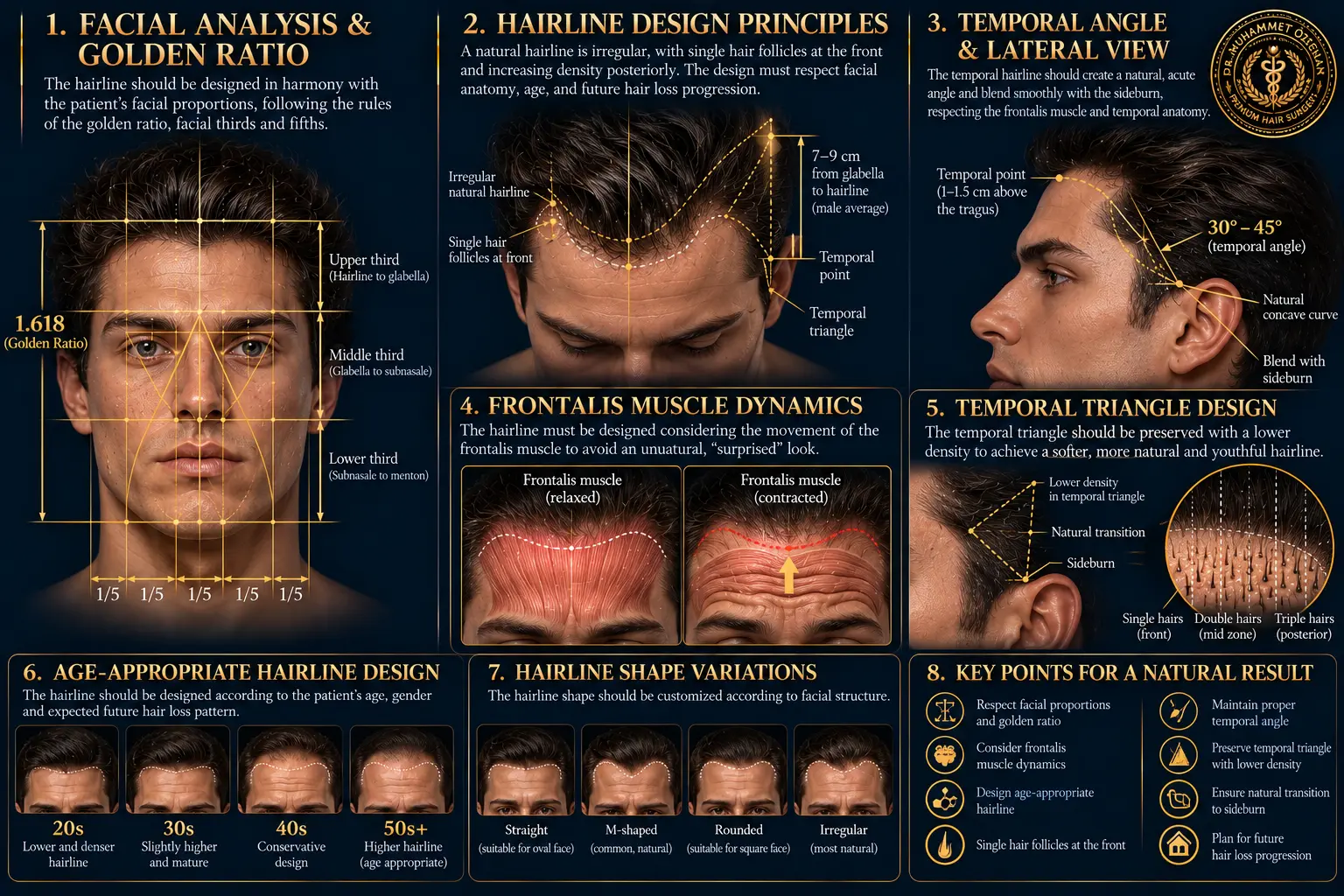
Figure 1: Personalized anterior hairline planning according to golden ratio rules, frontalis muscle dynamics, and temporal angulations.
- 2. Collection of Grafts from the Donor Area (Extraction): The occipital and temporal region between the two ears (safe donor area) is completely desensitized with local anesthesia. Follicular units are isolated from the surrounding tissue using micro-motor or manual punch tips with diameters of 0.7 mm to 0.85 mm. By entering exactly parallel to the angle of the roots, the transection (root cutting) rate is kept near zero.
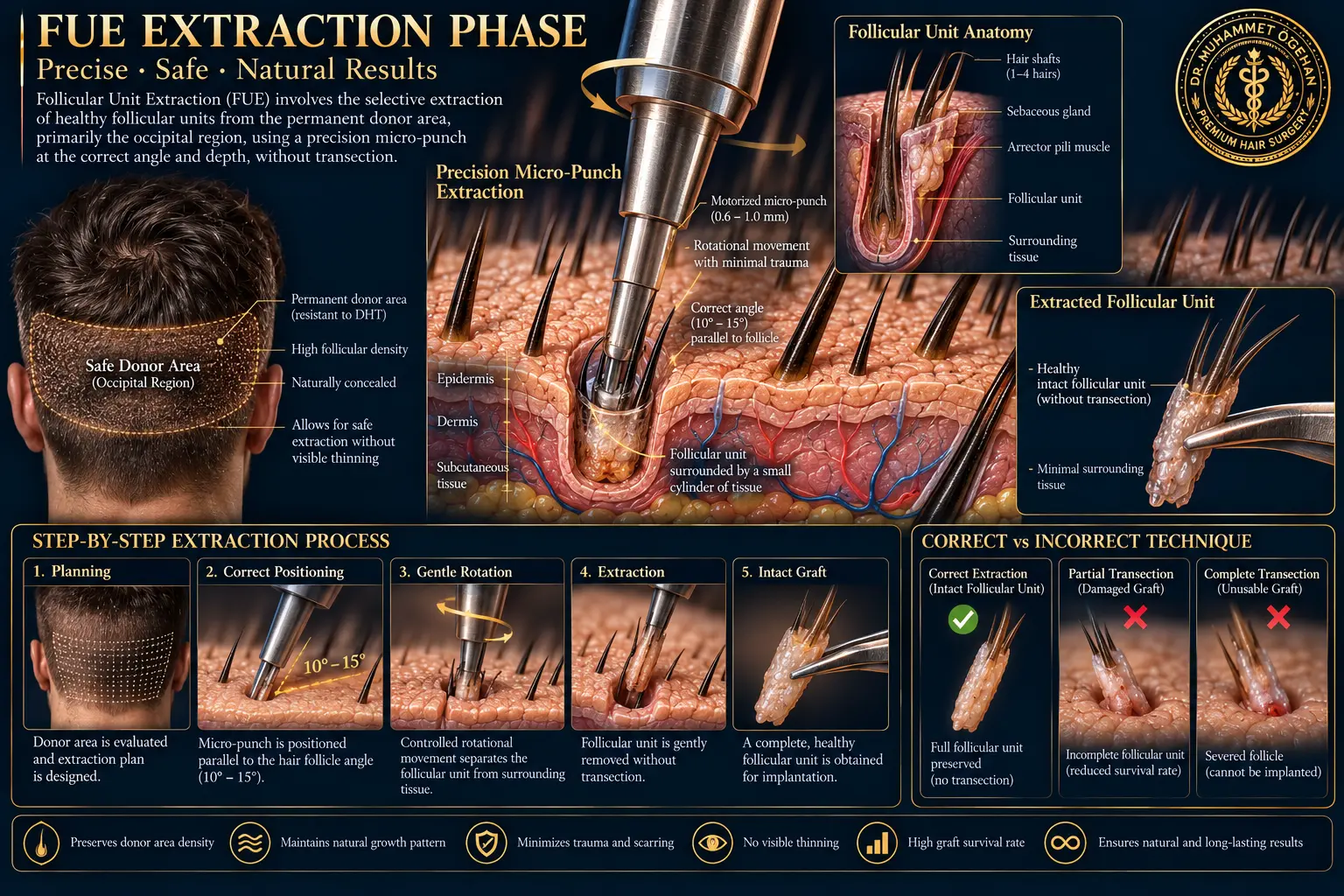
Figure 2: Safe donor area management and precise follicular unit extraction performed with micromotor punch tips.
- 3. Storage of Grafts and Management of Ischemia Time: It is of vital importance for living tissues removed from the body to maintain their cellular metabolism and avoid oxidative stress. Collected grafts are preserved in special cold organ storage solutions (+4°C hypothermic environment) that maintain intracellular fluid balance and prevent ATP loss.
- 4. Opening Channels (Sapphire FUE Principles): Special V-tipped cutters produced from sapphire ore are used, appropriate for the width of the area to be transplanted, skin thickness, and the caliber diameter of the hair strands. Sapphire tips minimize intratissue trauma and prevent edema formation compared to classic steel slits. For detailed channel geometries and angulation techniques, you can review our Micro Channel Guide page.
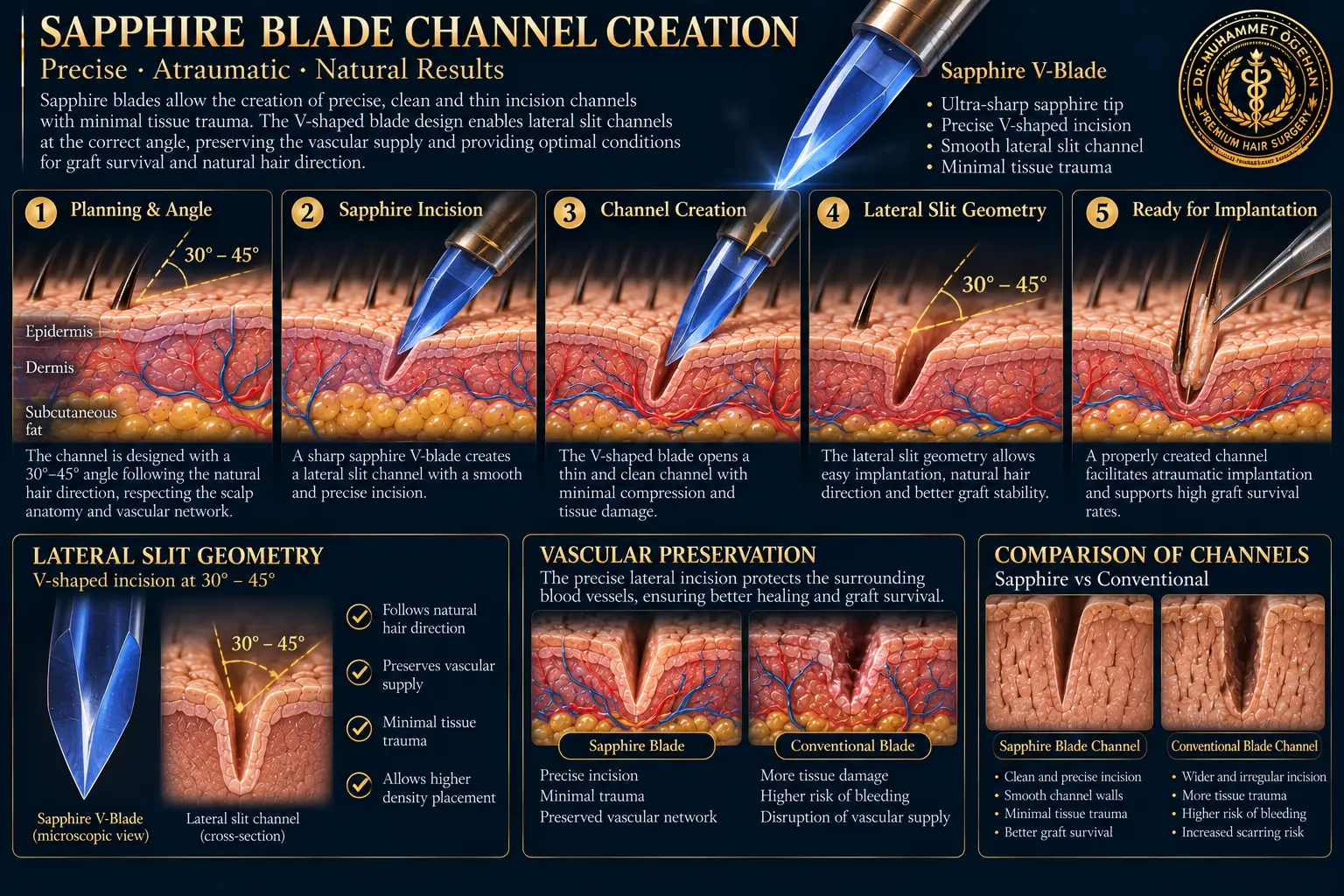
Figure 3: Lateral slit channel opening geometry providing vascular protection in the stratum corneum and dermis layers with sapphire V-tipped blades.
- 5. Placement of Grafts (Transplantation Stage): Collected follicular units are placed into the opened micro-channels under a microscope or with the support of magnifying loupes. In the front line design, single grafts are strictly preferred to reinforce a natural appearance.
⏱️ The Cellular Journey of Transplanted Hair in the First 10 Days After Hair Transplantation
During the first 10-day healing phase, which patients are most curious about and which must be followed meticulously, the following stages occur at a micro-biological level in the scalp and newly transferred roots:
- Days 1 - 3 (Acute Adaptation and Anchoring Phase): Grafts begin to adapt to their new beds (dermal papilla). The body produces small protective scabs (micro-crusts) in response to these micro-surgical incisions. During this critical period, no friction or mechanical pressure should be applied to the scalp to ensure the roots do not dislodge and new capillary ends do not break.
- Days 4 - 7 (Reperfusion and Angiogenesis - Vascularization): Transplanted living follicles accelerate the process of establishing new vascular connections (angiogenesis) to receive oxygen and nutrients from existing capillaries in the surrounding tissue. A slight sensation of itching and tension is normal during this phase; clinical washing protocols are initiated.
- Days 8 - 10 (Scab Cleaning and Securing the Roots): With the professional washing performed at the end of the 10th day, all scabs on the scalp are completely cleared. At this stage, the grafts are now permanently attached (anchored) to their beds; meaning the roots are within the safe limit against normal mechanical effects from the outside.
- Shock Loss (Telogen Effluvium) Process: Within 2 to 6 weeks following the first 10 days, the transplanted hair strands enter the telogen (resting) phase and shed due to surgical stress, trauma, and temporary changes in nutrient flow (shock loss). This phase, in which patients should not panic, is extremely common; because only the hair shafts shed, while the stem cells (bulbus) maintain their vitality under the skin, and permanent new hair begins to grow from the 3rd month onwards.
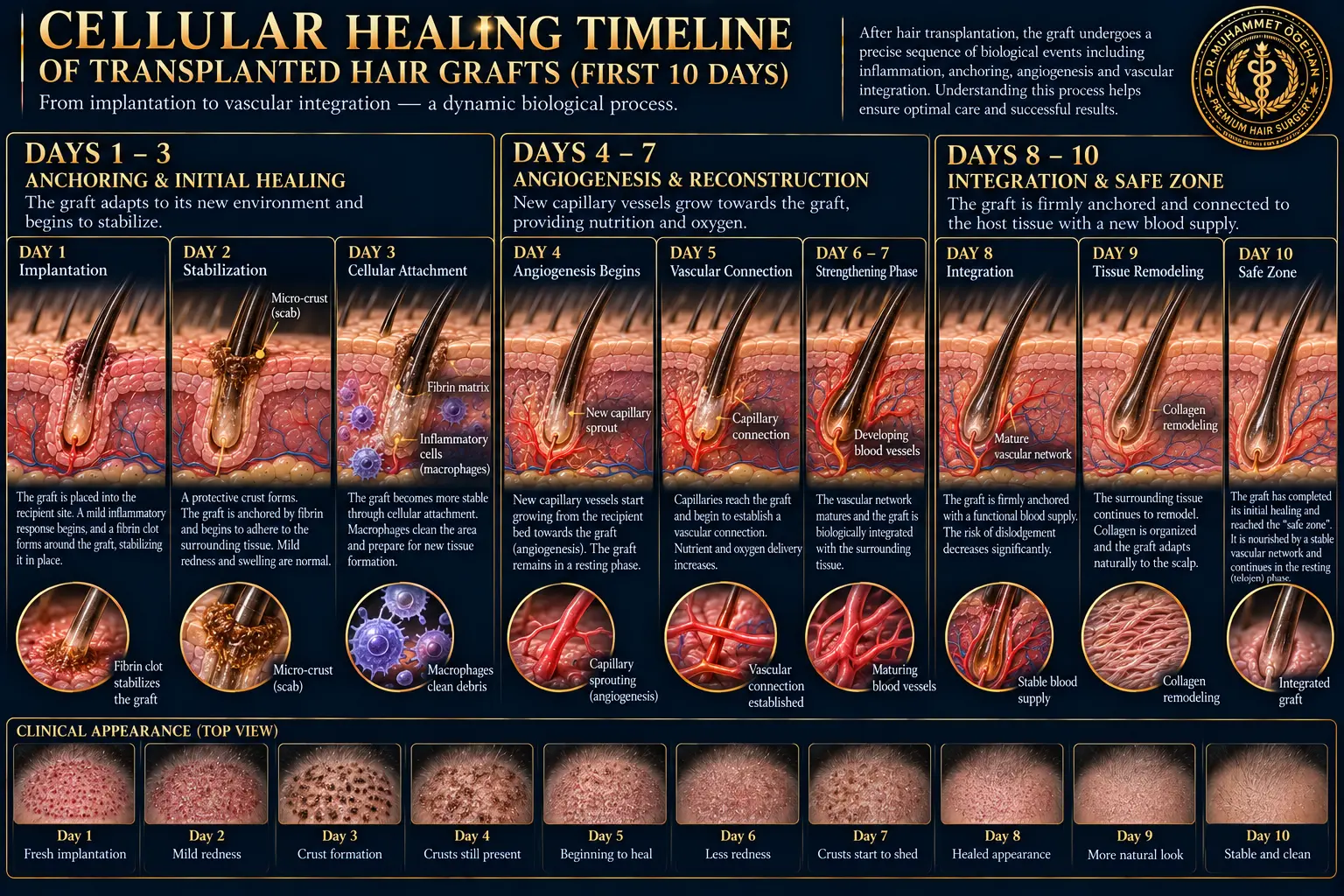
Figure 4: Cellular timeline of anchoring, angiogenesis (vascularization), and crusting stages during the first 10-day process.
🩺 Clinical Guide for Physicians and Specialists
- Donor Capacity and Occipital Reserve Analysis: The patient's daily hair density in the donor area should be calculated according to Norwood staging; the risk of a moth-eaten appearance in the donor area should be zeroed by avoiding over-extraction.
- Transection Rate Optimization: Adjustment of motorized punch rotation speeds according to tissue resistance, keeping the root transection rate clinically below 3%.
- Prevention of Ischemia Damage and Washing Protocols: The time grafts remain outside should not exceed 4 hours; the effects of water contact, the fibrin adherence window, and washing protocols on graft survival must be taken into account.
- Channel Geometry and Micro-Channel Applications: In lateral slit channel opening techniques, the blade depth should not be exceeded; the Micro Channel Guide should be examined to observe vascular nutrition limits. Additionally, expertise and treatment approaches should be reviewed for clinical and surgical evaluations.
Scientific References and Bibliography
- Jimenez F, Alam M, Vogel JE, Avram M. Hair transplantation: Basic overview. J Am Acad Dermatol. 2021 Oct;85(4):803-814. doi: 10.1016/j.jaad.2021.03.124. PubMed Link
- Avram MR, Finney R, Rogers N. Hair Transplantation Controversies. Dermatol Surg. 2017 Nov;43 Suppl 2:S158-S162. doi: 10.1097/DSS.0000000000001316. PubMed Link
- Avram MR. Hair transplantation. Cutis. 2012 Dec;90(6):317-20. PMID: 23409484. PubMed Link
- Özgehan, M. Effects of Water Contact, Fibrin Adherence Window, and Washing Protocols on Hair Graft Survival. Academia.edu. Academia Link
- Özgehan, M. Methods to Increase Graft Survival Rate in Hair Transplant Surgery: An Academic Review. Academia.edu. Academia Link